Whoa!
I still remember the little shock when I tapped a credit-card-sized seed and my phone blinked with my Bitcoin address.
It felt almost magical.
At first it was just curiosity, then it turned into a practical habit, and now it’s my go-to for quick, low-friction crypto moves even when I’m out grabbing coffee.
My instinct said: this is simple—and simplicity matters way more than people realize.
Really?
Yes.
But here’s the thing.
Hardware security can be complicated, and the Tangem card (a representative of NFC wallet cards) deliberately simplifies the human side of custody without pretending the tech is trivial.
Initially I thought card wallets would be gimmicks, but then I realized they solve a lot of UX friction that many cold storage solutions ignore.
Hmm…
Let me be blunt: I’m biased toward practical tools.
I like things that “just work” in pocket-sized form.
On one hand, a steel seed phrase plate feels like a relic of 2017, though actually—wait—there’s a role for both in a balanced setup.
On the other hand, Tangem-style cards offer immediate, day-to-day convenience while still keeping private keys offline.
Seriously?
Yes, but it’s nuanced.
The card stores your private key in a secure element that never exposes it, so signing happens inside the chip; the phone only sees signed transactions.
That means even if your phone is compromised, the attacker can’t extract the key.
Still, there are trade-offs to accept—backup and recovery differ from seed-phrase-centric models and you should know what those look like.
Wow!
Here are the basics you actually care about.
The Tangem card is contactless: a quick tap with an NFC-enabled phone reads public info and asks the card to sign transactions.
No cables, no button presses on the card, no firmware tinkering in most cases; it’s as close to “plug-and-play” as hardware wallets get.
But how does that map to real security practices? Let’s walk through that.
Okay, so check this out—
The secure element on the Tangem card behaves like a closed vault.
It generates the key internally and will never reveal it; export is not possible by design.
That intrinsically limits some advanced workflows (multi-account export, for example), though it’s perfect for single-key personal custody or retail-level custody models where ease and resilience matter.
I’m not 100% sure it’s right for institutional setups, and that’s an honest limitation.
Here’s what bugs me about simple narratives.
People say “cold storage” and think only of paper or metal backups.
But a card is cold in practice—keys are offline—yet warm in usability, because signing is near-instant.
If you lose the card, recovery depends on what backup path you chose (a printed backup card, a paper backup code, or a custodial recovery), and that nuance gets overlooked in marketing.
So make a plan before you tap and spend.
My advice, practical and plain:
Treat the Tangem card like cash in a wallet—convenient for everyday, but risky to keep as your only reserve.
Use it for spending, small-to-medium holdings, or as a travel companion, and keep a separate, well-documented recovery strategy for long-term wealth.
This splits your risk between convenience and durability.
Actually, wait—let me rephrase that: use layered custody.
Layering is low-effort but very effective.
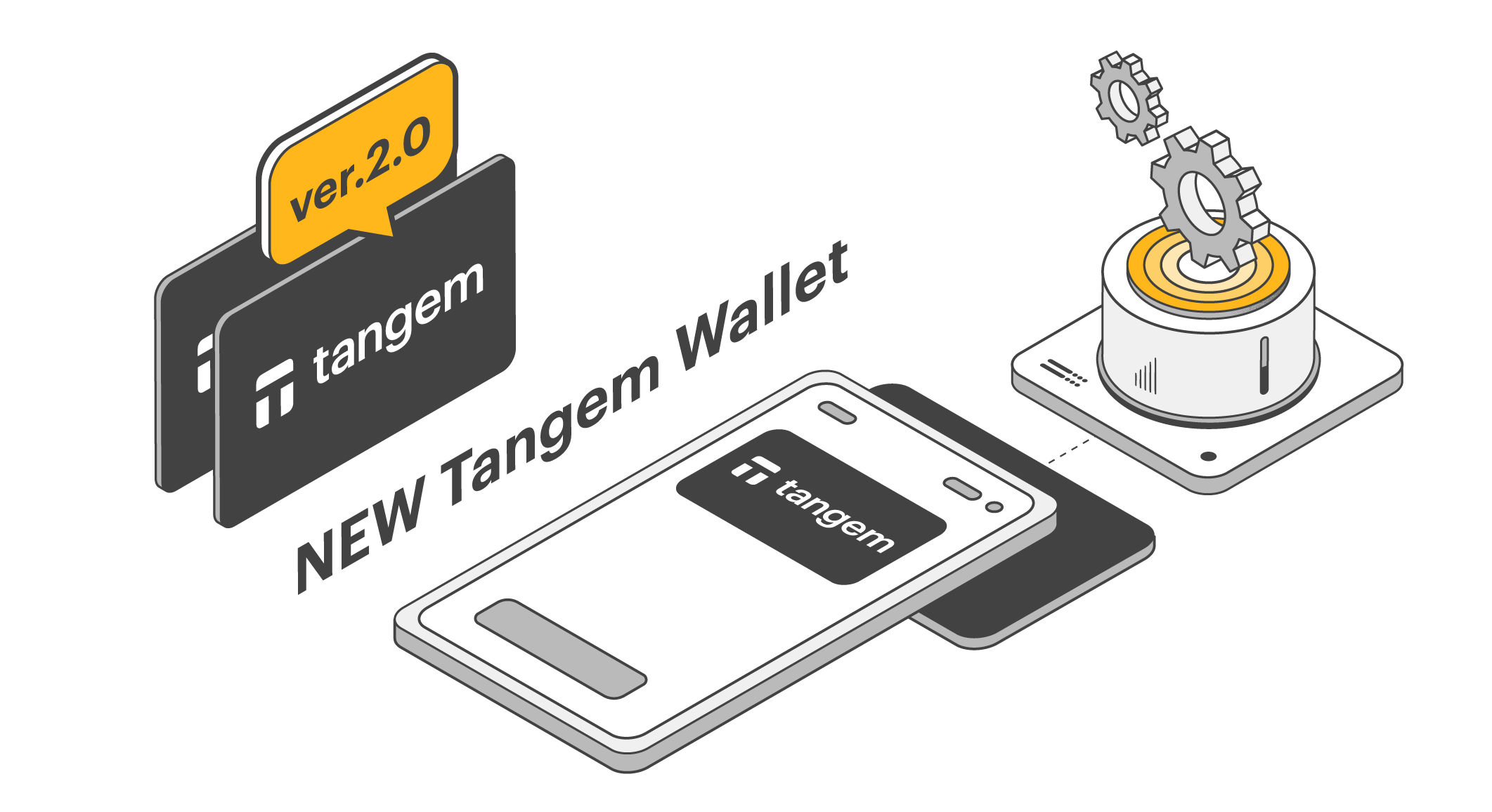
A closer look at setup and daily use — visit the Tangem info page for more
If you want the manufacturer’s walkthrough and regional availability, check this resource: https://sites.google.com/cryptowalletextensionus.com/tangem-wallet/
The official materials give step-by-step visuals, but here’s my user-level read: the first tap pairs the card to an app, the card mints or imports a key internally, and from then on each transaction follows a tap-sign-confirm pattern.
For Android phones the flow is seamless; iOS works too but sometimes has extra NFC permission steps, which is a mild annoyance—very very mild.
Oh, and by the way, if the app updates, the card doesn’t change; your key remains on the physical chip, which is reassuring.
That separation is smart design—keeps the user interface modern while the vault stays stalwart.
On security trade-offs:
You sacrifice exportability to gain tamper resistance and simplicity.
If you need programmable multisig or advanced smart contract interactions frequently, the card’s limitations may frustrate you.
However, for common assets and simple multisig constructs (when supported), it works very well—depending on the wallet ecosystem.
On balance, for most retail users who prioritize quick, secure transactions without dealing with seed phrases all the time, the experience is excellent.
Story time—real quick.
I once tapped my card in a coffee shop to send a small amount, and a barista peeked over asking “is that a credit card?”
We had a laugh, and I explained the difference between custody and convenience.
Small transactions, quick settlement—it’s exactly the use case that makes Tangem cards shine.
Still, I wouldn’t store my life’s savings on a single card that I carry every day; that’s just common sense.
Practical tips I wish someone told me sooner:
1) Get two cards and treat them like backup and primary, but don’t keep both in the same wallet.
2) Add a tamper-evident sticker or sleeve with a handwritten code so you can detect cloning attempts (very unlikely but paranoia helps).
3) Understand your recovery options before funding the card.
These are small steps that make a big difference.
On interoperability:
Tangem cards work with several wallet apps and blockchains, though the breadth depends on firmware and partner integration.
If you rely on niche tokens or complex DeFi farms, check compatibility first.
For standard BTC, ETH, and many major tokens, support is solid and growing.
And yes, that ecosystem expansion is exactly why I keep paying attention to this space.
Initial reaction vs. deeper thinking:
Initially I thought card wallets were niche toys.
But after months of daily use, my view matured: they’re a serious option for the “everyday secure” tier—secure enough to defend against the common threats while being friendly enough that you actually use them.
On one hand, hardware wallets with screens and buttons give more visibility into signing data, though actually, a good companion app can present the same info clearly, so the UX gap narrows.
On the other hand, fewer moving parts means fewer user errors—so there’s that practical advantage.
Things that still bug me:
1) Backup semantics are inconsistent across vendors, and that confusion can lead to loss.
2) Card durability—while chips are resilient, cards can bend or get waterlogged if you’re careless.
3) The marketing sometimes oversimplifies security in ways that make people complacent.
But overall, those are addressable problems with responsible usage and a bit of planning.
For travelers:
Carrying a Tangem card was liberating when I was on the road in the US and Europe; airport security never blinked, and I could sign a transaction anywhere with my phone.
No cables, no adapters, just a tap.
That immediacy is a real quality-of-life improvement if you transact on the go.
Just don’t leave it in checked luggage… obvious, but worth saying.
Final practical checklist before you buy:
– Decide what you want it for (daily spending vs. cold reserve).
– Verify blockchain and token support for your assets.
– Plan your recovery strategy and test it if possible.
– Consider buying a spare card and storing it separately.
These few steps cover most avoidable mishaps and keep your crypto use smooth.
I’ll be honest: I’m not 100% sold on a single-tool approach for everyone.
But for many users who value simplicity and strong on-device security, Tangem-style NFC cards are a great middle ground.
Something about having tangible custody—something you can feel in your pocket—changes your relationship with crypto in a good way.
My takeaways are practical rather than dogmatic: balance convenience with robust backups, and adapt your setup to how you actually use crypto, not to ideals alone.
Frequently asked questions
Can the Tangem card be cloned?
Short answer: extremely unlikely.
The private key never leaves the secure element and the card uses hardware-backed protections to prevent cloning.
That said, physical security matters—don’t leave cards unattended—and combine hardware protections with sensible backups.
Is it safe for large holdings?
It depends.
For very large holdings, consider multisig or a cold backup strategy that doesn’t place all trust in a single physical card.
Use cards as part of a layered custody approach, not the sole anchor for life savings unless you accept the trade-offs.
What if I lose my card?
Recovery depends on the backup option you set up.
Some people pair cards with printed recovery codes or a secondary card stored in a different location; others combine cards with a seed phrase stored offline.
Plan ahead and test your recovery method before moving significant funds.